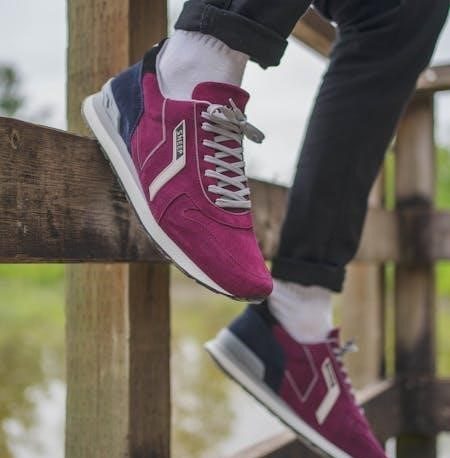
Guide shoes blend cushioning with subtle support, aiding runners with mild to moderate overpronation; they’re a versatile choice for diverse training needs.
What are Guide Shoes?
Guide shoes represent a fascinating intersection of running shoe technology and biomechanical support. Unlike neutral shoes which offer no inherent correction, and stability shoes with firmer medial posts, guide shoes provide a gentler, more adaptive form of pronation control. They are designed for runners who exhibit mild to moderate overpronation – an inward rolling of the foot upon impact – but don’t require the robust support of traditional stability models.
These shoes achieve this through innovative features, often involving specifically engineered foams and guide rails, subtly encouraging a more natural and efficient gait. They aim to guide the foot into proper alignment without rigidly forcing it, offering a smoother transition and a more comfortable running experience. This makes them a popular choice for a wide range of runners seeking a balance between cushioning and support.
The Purpose of Guide Shoes in Running
Guide shoes serve a crucial purpose for runners needing gentle pronation support. Their primary function is to subtly correct overpronation, reducing the risk of common running injuries like shin splints, plantar fasciitis, and knee pain. They don’t eliminate natural foot motion, but rather guide it towards a more efficient and biomechanically sound path.
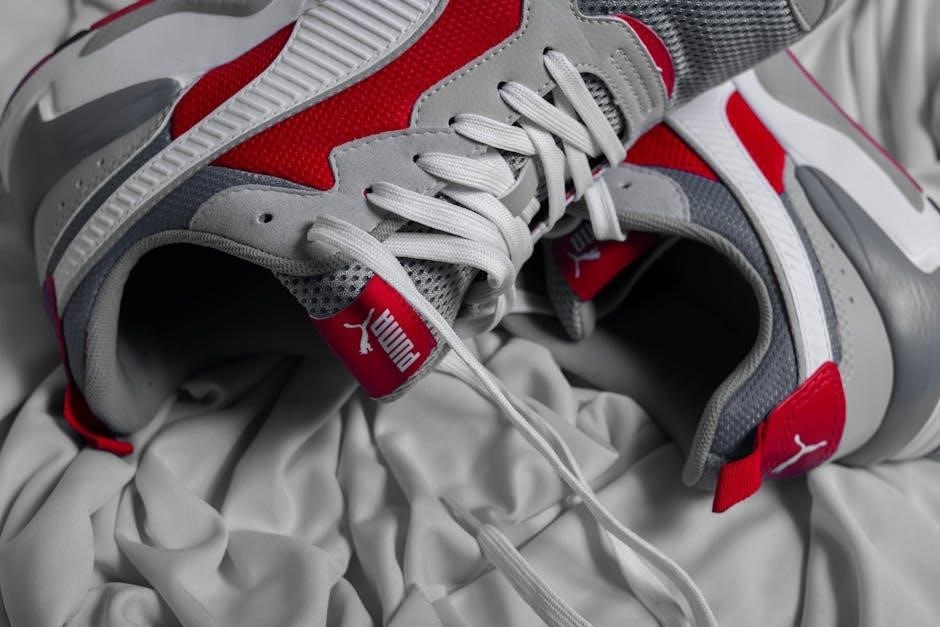
Beyond injury prevention, guide shoes aim to improve running form and efficiency. By minimizing excessive inward rolling, they help runners maintain a more neutral alignment, reducing energy waste and promoting a smoother stride. This can translate to improved performance and reduced fatigue, especially during longer distances. They offer a balanced approach, providing support without sacrificing comfort or flexibility.
Guide Shoe Technology & Features
Guide shoes utilize innovative features like medial posting, specialized foams, and carefully engineered designs to deliver targeted support and enhanced running comfort.
Medial Posting Explained
Medial posting is a key technology within guide shoes, designed to address overpronation – the inward rolling of the foot upon impact. This feature involves firmer density foam strategically placed on the medial, or inner, side of the shoe’s midsole.
The purpose of this firmer material is to resist excessive inward motion, gently guiding the foot towards a more neutral alignment. It doesn’t eliminate pronation entirely, as some pronation is natural and beneficial for shock absorption. Instead, it controls the degree of inward roll, preventing it from becoming excessive and potentially leading to injuries.
The amount of medial posting varies between shoe models, catering to different levels of overpronation. Some shoes offer subtle guidance, while others provide more substantial support. This nuanced approach allows runners to find a shoe that precisely matches their individual biomechanical needs.
How Guide Shoes Differ from Stability Shoes
Guide shoes and stability shoes both aim to address overpronation, but they achieve this through different approaches. Traditional stability shoes often employ rigid medial posts and broader platforms for maximum control, sometimes feeling quite firm and intrusive.
Guide shoes, conversely, offer a more subtle and holistic form of support. They utilize softer medial posting materials and a more streamlined design, allowing for a more natural foot motion while still providing guidance. This results in a smoother, less restrictive running experience.
Essentially, stability shoes correct pronation, while guide shoes guide the foot. This difference makes guide shoes a preferable option for runners who desire some support without sacrificing comfort or a natural feel. They bridge the gap between neutral and traditional stability shoes.
The Role of Foam and Cushioning
Foam and cushioning are paramount in guide shoes, working in tandem with the medial support features. Modern guide shoes frequently utilize advanced foam technologies – like those with responsiveness and energy return – to enhance comfort and reduce impact forces during running.
The cushioning isn’t simply about softness; it’s about providing a balanced feel. Guide shoes often incorporate varying densities of foam, with softer cushioning underfoot and slightly firmer foam strategically placed to offer support and stability.
This thoughtful foam construction helps to absorb shock, protect joints, and promote a more efficient stride. The goal is to create a ride that feels both protective and responsive, allowing runners to maintain comfort over longer distances while benefiting from subtle guidance.
Benefits of Using Guide Shoes
Guide shoes offer runners enhanced stability, reduced overpronation, and improved running efficiency, ultimately minimizing injury risk and maximizing comfort during workouts.
Injury Prevention for Overpronators
Guide shoes are specifically engineered to mitigate the risks associated with overpronation, a common biomechanical issue where the foot rolls inward excessively during the gait cycle. This inward rolling can strain various lower-body structures, leading to injuries like shin splints, plantar fasciitis, and knee pain.
The medial posting within guide shoes provides gentle support to counteract this excessive motion, helping to align the foot and ankle properly. By controlling pronation, these shoes reduce stress on joints and muscles, promoting a more natural and efficient running form. This proactive support is crucial for runners who consistently overpronate, as it can significantly lower their susceptibility to overuse injuries and keep them running comfortably for longer periods.
Improved Running Form and Efficiency
Guide shoes aren’t just about preventing injuries; they actively contribute to a more efficient and streamlined running form. By subtly guiding the foot into a neutral position, these shoes encourage a more balanced stride, reducing wasted energy and improving overall running economy.
The controlled motion facilitated by the medial support allows runners to maintain proper alignment throughout the gait cycle, minimizing unnecessary lateral movement. This leads to a smoother, more consistent stride, which translates to less fatigue and the ability to run faster for longer distances. Runners often find they experience a noticeable improvement in their cadence and posture when transitioning to guide shoes, enhancing their performance and enjoyment of the sport.
Reduced Fatigue on Long Runs
Guide shoes significantly mitigate fatigue during extended runs by minimizing the stress placed on key muscle groups. The inherent support system reduces the workload on the inner calf muscles, ankles, and feet, which are often overworked during prolonged activity when overpronation occurs.
This lessened strain translates directly into delayed onset muscle soreness and a greater capacity to maintain consistent pacing over longer distances. By promoting a more efficient biomechanical alignment, guide shoes help conserve energy, allowing runners to push their limits without succumbing to premature exhaustion. This makes them an invaluable asset for marathon training and any long-distance endeavor.

Choosing the Right Guide Shoe
Selecting guide shoes requires assessing pronation, foot shape, and running surface; a proper fit ensures optimal support and comfort for enhanced performance.
Understanding Your Pronation Type
Determining your pronation is crucial when selecting guide shoes. Pronation refers to the natural inward roll of your foot upon impact. Neutral pronation involves a balanced foot motion, often suited for neutral shoes. Overpronation, however, signifies excessive inward rolling, potentially leading to instability and increased injury risk.
Guide shoes are specifically designed to address overpronation by providing medial support. A simple wet foot test – observing your footprint – can offer initial insights. A full footprint suggests overpronation, while a partial one indicates neutral pronation or supination (outward rolling).
For a precise assessment, consider a professional gait analysis at a running specialty store. Experts can analyze your foot strike and recommend appropriate guide shoe features to correct your pronation and optimize running efficiency.
Foot Shape and Shoe Fit
Foot shape significantly impacts guide shoe fit and performance. Consider your arch height – high, medium, or low – as it influences how your foot interacts with the shoe’s support features. Wider feet may require wider shoe models to prevent rubbing and discomfort. Narrow feet benefit from shoes with a snugger fit to avoid slippage.
Proper shoe fit is paramount. Ensure approximately a thumb’s width of space between your longest toe and the shoe’s end. Your heel should feel secure, without slipping.
Always try shoes on later in the day, as feet tend to swell. Wear running socks during the fitting process. Don’t hesitate to walk or even briefly run in the store to assess comfort and stability. A well-fitting guide shoe enhances running efficiency and minimizes the risk of blisters or injuries.
Considerations for Running Surface
The running surface dictates the ideal guide shoe characteristics. Road running demands cushioning and flexibility, prioritizing impact absorption on hard pavements. Trail running necessitates more aggressive outsoles for traction on uneven terrain, alongside enhanced stability features to navigate obstacles.
For mixed surfaces, consider a hybrid guide shoe offering a balance of cushioning and grip. Look for models with durable outsoles capable of withstanding abrasion.
Road shoes generally feature smoother outsoles, while trail shoes incorporate lugs for improved grip. The amount of medial support should also align with the surface; more technical trails may require greater stability. Assessing your typical running environment is crucial for selecting a guide shoe that optimizes performance and protection.
Popular Guide Shoe Models (2026)
Leading guide shoes in 2026 include Brooks Adrenaline GTS 26, Saucony Guide 17, and New Balance Fresh Foam X 860v14, offering varied support levels.
Brooks Adrenaline GTS 26
The Brooks Adrenaline GTS 26 continues its legacy as a reliable and popular guide shoe, known for its balanced cushioning and supportive features. This 2026 model refines the GuideRails Holistic Support System, subtly guiding your feet into a natural alignment without feeling overly restrictive.
It features DNA LOFT v3 cushioning, providing a soft yet responsive ride, ideal for daily training and longer distances. The engineered mesh upper offers a secure and comfortable fit, adapting to various foot shapes. Runners appreciate its versatility, making it suitable for a range of pronation levels and running styles. Updates focus on enhanced comfort and a smoother transition, solidifying its position as a go-to choice for those seeking gentle stability.
Saucony Guide 17
The Saucony Guide 17 represents a significant evolution in guided support, offering a harmonious blend of cushioning and stability for runners needing gentle correction. Featuring a redesigned PWRRUN foam midsole, it delivers a more responsive and energetic feel underfoot, enhancing both comfort and performance.
Saucony’s HOLLOW-TECH technology strategically guides the foot, minimizing excess movement without feeling intrusive. The engineered mesh upper provides a secure, adaptive fit, while improved heel counter construction enhances lockdown. This model prioritizes a natural running experience, making it suitable for daily training and longer runs. The Guide 17 is a compelling option for runners seeking a balanced and reliable guide shoe.
New Balance Fresh Foam X 860v14
The New Balance Fresh Foam X 860v14 continues the legacy of a trusted stability shoe, now refined for a smoother, more supportive ride. Utilizing New Balance’s signature Fresh Foam X cushioning, this model delivers a plush yet responsive feel, absorbing impact and propelling runners forward. A medial post, crafted with dual-density foam, provides subtle guidance to correct overpronation without feeling overly rigid.
The engineered mesh upper offers a breathable and secure fit, adapting to the foot’s natural shape. Enhanced heel counter construction further improves stability, while a durable outsole ensures reliable traction. The 860v14 is ideal for daily training and long distances, offering a comfortable and dependable experience for runners seeking controlled support.
Guide Shoes vs. Neutral Shoes: A Comparison
Guide shoes offer mild support for pronation, while neutral shoes allow natural foot motion; selection depends on individual biomechanics and running style.
When to Choose a Guide Shoe
Guide shoes are an excellent option for runners who experience mild to moderate overpronation – that inward rolling of the foot upon impact. If you notice excessive wear on the inner edges of your running shoes, or feel discomfort in your arches or ankles during or after runs, a guide shoe could provide beneficial support.
They’re also a good choice if you’re looking for a shoe that offers a bit more stability and guidance without being overly restrictive, unlike more rigid stability shoes. Runners transitioning from significant stability features might find guide shoes a comfortable stepping stone towards a more natural running gait. Ultimately, consider a guide shoe if you desire a blend of cushioning and gentle correction to enhance comfort and potentially reduce injury risk.
When to Choose a Neutral Shoe
Neutral shoes are ideal for runners with a neutral gait – meaning your foot strikes the ground evenly and doesn’t excessively pronate or supinate (roll outward). If your old running shoes show wear patterns evenly distributed across the sole, you likely benefit from a neutral shoe. These shoes prioritize cushioning and flexibility, allowing your foot’s natural mechanics to work efficiently.
Runners with a high arch typically thrive in neutral shoes, as they often lack the natural cushioning needed. If you don’t experience any discomfort or pain related to overpronation, a neutral shoe will provide ample comfort and performance. They’re also a great choice for runners who prioritize a more natural feel and freedom of movement during their runs.
Maintaining Your Guide Shoes
Regular cleaning and proper care extend the life of guide shoes, ensuring optimal performance and support for countless miles of comfortable running.
Cleaning and Care Tips
Maintaining your guide shoes doesn’t require extensive effort, but consistent care significantly extends their lifespan. After each run, especially in muddy or wet conditions, wipe down the uppers with a damp cloth to remove dirt and debris. Avoid using harsh chemicals or abrasive cleaners, as these can damage the materials.
For a deeper clean, remove the insoles and hand wash them separately with mild soap and water; allow them to air dry completely before reinserting. The shoes themselves can be machine washed on a gentle cycle with cold water, but placing them inside a laundry bag is recommended to protect them.
Never put guide shoes in the dryer, as heat can warp the midsole and damage the cushioning. Instead, allow them to air dry naturally, away from direct sunlight or heat sources. Regularly inspect the soles for wear and tear, and consider using a shoe protector spray to repel water and stains.
Knowing When to Replace Your Shoes
Determining when to replace your guide shoes is crucial for maintaining performance and preventing injuries. A general guideline is to replace them every 300-500 miles, but this varies based on your weight, running style, and the surfaces you run on.
Visually inspect the midsole for signs of compression or breakdown; if it feels overly soft or lacks responsiveness, it’s time for a new pair. Examine the outsole for excessive wear, particularly in high-impact areas. Pay attention to how your body feels – increased soreness or new aches after runs can indicate diminished cushioning.
Don’t wait until your shoes are completely worn out; proactive replacement ensures continued support and protection. Keeping a running log to track mileage is a helpful way to monitor shoe usage and plan replacements accordingly.
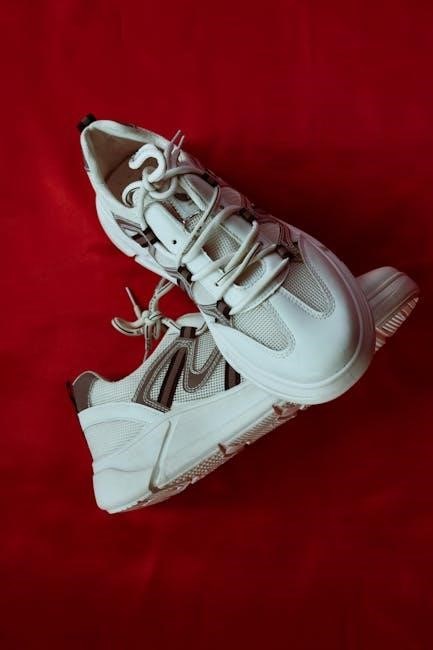
The Future of Guide Shoe Technology
Innovations in medial support and sustainable materials are poised to redefine guide shoes, offering enhanced performance and reduced environmental impact for runners.
Innovations in Medial Support
Medial support in guide shoes is undergoing a significant evolution, moving beyond traditional, rigid posting. Manufacturers are exploring adaptive support systems that respond dynamically to an individual’s gait cycle and pronation level. This includes utilizing innovative foam structures and geometries that provide guidance only when and where it’s needed, promoting a more natural running motion.
Furthermore, advancements in data analysis and biomechanical research are enabling the creation of personalized medial support features. Expect to see shoes with customizable support levels, potentially adjusted via smartphone apps or integrated sensors. The goal is to deliver precisely calibrated stability, minimizing overcorrection and maximizing comfort and efficiency. These technologies aim to offer a smoother transition and a more responsive feel, enhancing the overall running experience.
Sustainable Materials in Guide Shoe Production
Sustainability is increasingly influencing guide shoe manufacturing, with brands actively seeking eco-friendly alternatives to conventional materials. Recycled plastics, derived from ocean waste or post-consumer sources, are becoming prevalent in upper construction and laces, reducing reliance on virgin petroleum-based products;
Bio-based foams, crafted from renewable resources like sugarcane or algae, are emerging as cushioning alternatives, lessening the carbon footprint associated with traditional EVA foams. Furthermore, manufacturers are exploring innovative dyeing processes that minimize water usage and eliminate harmful chemicals. The industry is also focusing on durable designs and repair programs to extend the lifespan of shoes, reducing waste. Expect continued innovation in biodegradable components and circular economy models within guide shoe production.