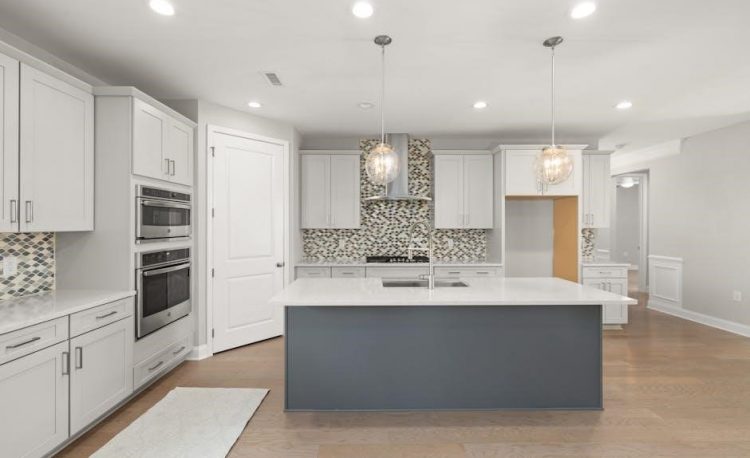
Kitchen Island Plans PDF: A Comprehensive Guide
Navigating kitchen island plans in PDF format requires understanding diverse styles, layouts, and construction details for a successful DIY or professional project.
Understanding Kitchen Island Needs & Styles
Before diving into kitchen island plans PDF downloads, assess your specific needs. Consider your kitchen’s size, existing layout, and primary functions. Do you require extra counter space for food preparation, a casual dining area, or abundant storage?
Island styles vary greatly. Farmhouse islands often feature shiplap detailing and rustic finishes, while modern designs prioritize sleek lines and minimalist aesthetics. Traditional islands incorporate ornate cabinetry and classic materials.
PDF plans showcase these styles, offering visual representations and detailed dimensions. Understanding your preferred style early on streamlines the selection process, ensuring the chosen plan complements your kitchen’s overall design and meets your functional requirements. Careful planning prevents costly mistakes.
Determining Kitchen Island Size & Layout
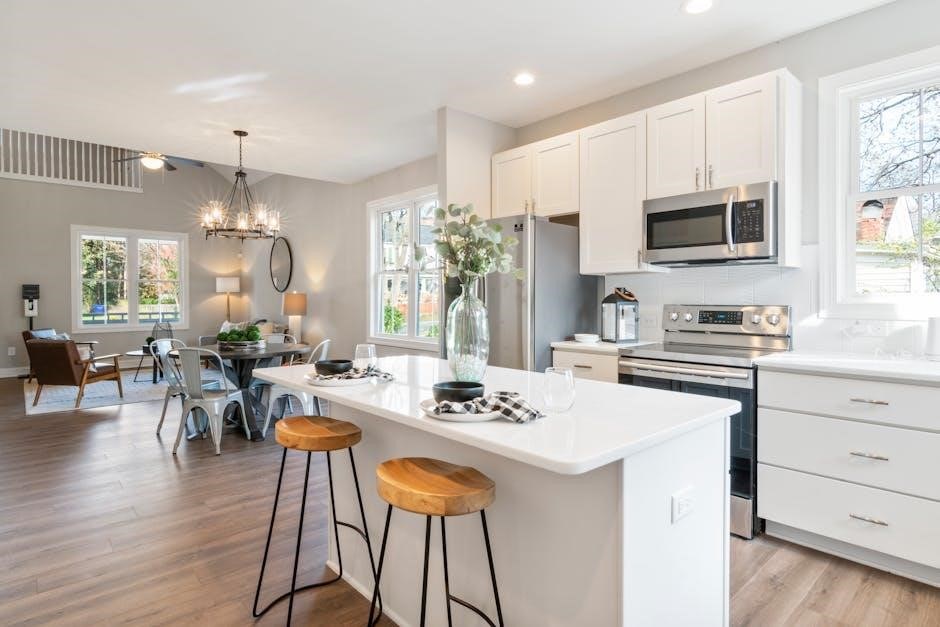
Accurate measurements are crucial when reviewing kitchen island plans PDF. A minimum of 36 inches of clearance is needed around the island for comfortable movement. Consider the “kitchen work triangle” – the path between the sink, refrigerator, and cooktop – ensuring the island doesn’t obstruct it.
Island size depends on available space and intended use. Smaller kitchens benefit from compact islands (4’ x 2’), while larger spaces can accommodate substantial islands with seating and appliances.
Layout options include single-level, two-level (with a raised bar), and islands with peninsulas. PDF plans illustrate these layouts, providing dimensions and placement suggestions. Prioritize functionality and flow when selecting a layout.
Popular Kitchen Island Styles (with PDF Plan Links)
Kitchen island plans PDF showcase a variety of styles to complement any décor. Farmhouse islands often feature shiplap detailing and rustic wood finishes, evoking a cozy, country aesthetic. Modern islands prioritize clean lines, sleek surfaces, and minimalist designs, often incorporating stainless steel or glass.
Traditional islands blend classic elements like raised panel cabinets and ornate detailing. Numerous online resources offer downloadable PDF plans for each style. Websites specializing in DIY projects frequently provide free or paid plans with detailed instructions and material lists.
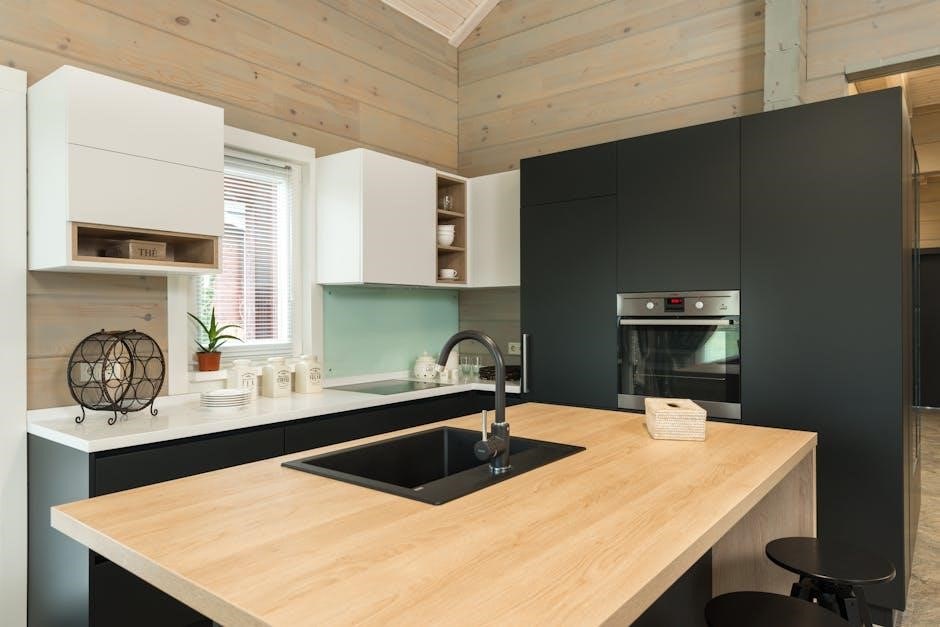
Exploring these plans allows homeowners to visualize different options and select a style that aligns with their preferences and kitchen’s overall design.
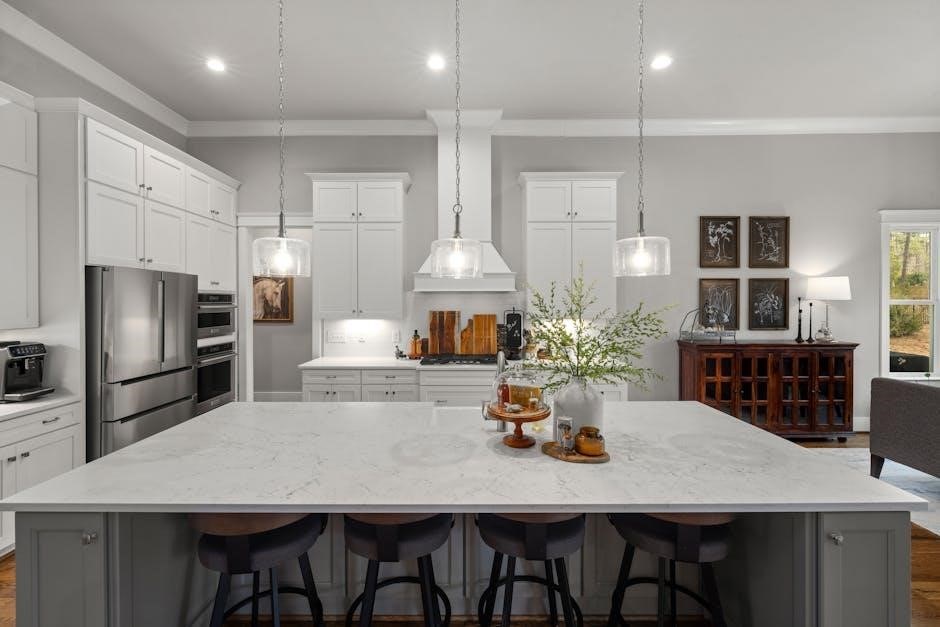
Farmhouse Kitchen Island Plans
Farmhouse kitchen island plans PDF typically emphasize rustic charm and functionality. These plans often incorporate reclaimed wood, shiplap siding, and beadboard detailing for a classic, country aesthetic. Common features include large drawers for storage, open shelving to display kitchenware, and butcher block countertops for food preparation.
Many downloadable plans include dimensions for various island sizes, accommodating different kitchen layouts. Some designs feature built-in seating with comfortable overhangs, perfect for casual dining. Detailed instructions guide builders through each step, from framing to finishing.
Finding plans online allows customization, adapting designs to individual needs and preferences.
Modern Kitchen Island Plans
Modern kitchen island plans PDF prioritize sleek lines, minimalist aesthetics, and innovative functionality. These designs frequently feature handleless cabinets, quartz or concrete countertops, and integrated appliances for a seamless look. Many plans incorporate waterfall edges, creating a visually striking effect.
Downloadable resources often include detailed diagrams for constructing islands with hidden storage, pop-up outlets, and dedicated spaces for wine coolers or microwaves. Emphasis is placed on maximizing space and creating a clutter-free environment.
PDF plans allow for customization, adapting the design to fit contemporary kitchen styles and personal preferences.
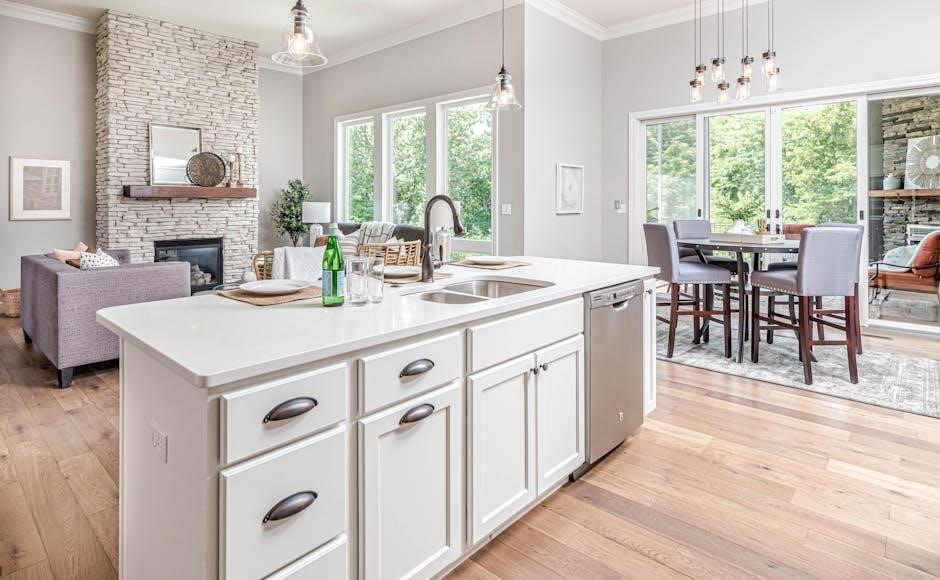
Traditional Kitchen Island Plans
Traditional kitchen island plans PDF often showcase classic detailing, such as raised panel cabinets, ornate corbels, and warm wood tones like cherry or maple. These designs frequently incorporate features reminiscent of furniture pieces, offering a timeless appeal.
PDF resources typically include plans for islands with detailed molding, beadboard panels, and decorative legs. Countertop options often include granite or butcher block, enhancing the traditional aesthetic.
Downloadable plans frequently feature ample storage, including drawers, cabinets, and open shelving for displaying cookware or decorative items. Customization options allow adapting the design to complement existing kitchen cabinetry.
Essential Kitchen Island Features
Kitchen island plans PDF must detail crucial features for functionality and safety. Seating and overhangs are paramount, dictating comfort and accessibility; plans specify appropriate dimensions for various seating heights.
Storage solutions – drawers, cabinets, and open shelving – are core elements. PDF plans illustrate internal configurations, maximizing space utilization. Electrical outlets and plumbing considerations (for sinks or dishwashers) require careful planning, adhering to local codes.
Detailed plans outline wiring routes and plumbing connections, ensuring safe and compliant installations. Proper ventilation and lighting integration are also essential components detailed within comprehensive PDF guides.
Seating & Overhangs
Kitchen island plans PDF prioritize comfortable and functional seating arrangements; Overhang depth is critical; a minimum of 12 inches is standard for counter-height seating, while 15 inches suits bar-height stools. Detailed plans illustrate these dimensions precisely.
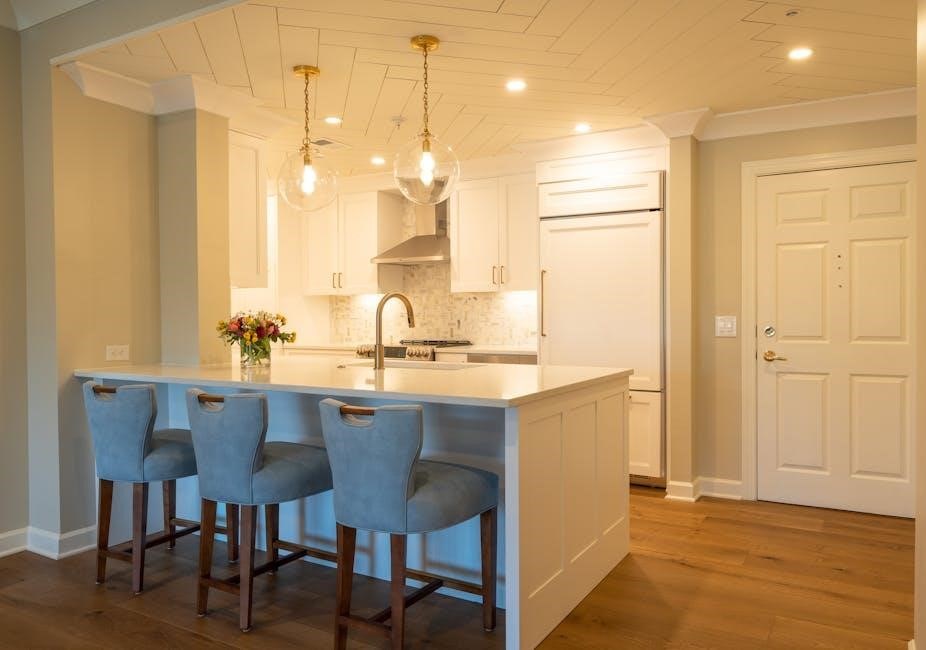
Consider legroom – at least 30 inches of clear space per seat is recommended. PDF guides often showcase various seating configurations: single-side seating, double-sided, or even wrap-around designs.
Proper overhang support, using corbels or brackets, is vital for safety and stability, especially with larger overhangs. Plans should clearly indicate support requirements based on overhang length and countertop material.
Storage Solutions (Drawers, Cabinets, Shelves)
Kitchen island plans PDF extensively detail storage options, maximizing functionality. Plans showcase drawer configurations – standard, deep, or specialized for pots and pans – with precise dimensions. Cabinetry designs range from simple base cabinets to elaborate arrangements with glass doors.
Open shelving provides accessible storage for frequently used items, while closed cabinets conceal clutter. PDF guides often include cut lists for shelving and cabinet components.
Consider incorporating pull-out trash/recycling bins, spice racks, or wine storage; Detailed plans illustrate internal organization, ensuring efficient space utilization and accessibility.
Electrical Outlets & Plumbing Considerations
Kitchen island plans PDF must address electrical and plumbing needs carefully. Plans detail outlet placement for appliances like mixers or charging stations, adhering to local codes. GFCI protection is crucial for safety near water sources.
If incorporating a sink, plans specify plumbing runs for water supply and drainage, including shut-off valves. Consider the load capacity of your electrical circuit to avoid overloads.
Detailed diagrams show wiring routes and pipe locations. Permits are often required for electrical and plumbing work; plans should aid in the inspection process. Professional installation is recommended for these aspects.
DIY vs. Professional Installation
Kitchen island plans PDF often cater to varying skill levels, influencing the choice between DIY and professional installation. DIY offers cost savings and customization, but demands carpentry, electrical, and plumbing expertise.
Complex designs, especially those involving utilities, are best left to professionals ensuring code compliance and safety. Professionals provide quicker completion and guarantee workmanship.
Assess your abilities honestly; simpler plans with pre-fabricated components are suitable for DIYers. Factor in tool costs and potential errors when calculating overall expenses. Detailed plans aid both approaches, but professional installation minimizes risks.
Materials for Kitchen Island Construction
Kitchen island plans PDF detail material lists, impacting both aesthetics and budget. Wood choices include maple, oak, and cherry, each offering unique grain patterns and durability. Consider plywood for the island’s base, prioritizing quality for stability.
Countertop materials significantly influence the island’s look and function. Granite and quartz provide luxurious, durable surfaces, while butcher block offers warmth and a cutting-friendly workspace.
Hardware, like pulls and hinges, adds finishing touches. Plans often suggest specific materials, but customization is possible. Prioritize moisture-resistant materials near sinks or plumbing.
Wood Types (Maple, Oak, Cherry)
Kitchen island plans PDF frequently specify wood types, impacting the final aesthetic and structural integrity. Maple offers a smooth, paintable surface, ideal for modern designs, and is known for its hardness. Oak, a classic choice, displays prominent grain patterns, suiting traditional styles, and provides excellent durability.
Cherry wood boasts a rich, reddish hue that deepens with age, lending warmth and elegance. It’s a premium option often favored for higher-end islands. Consider wood grade; select hardwood for visible components and potentially plywood for hidden structures.
Each wood reacts differently to finishes, influencing the overall look.
Countertop Materials (Granite, Quartz, Butcher Block)
Kitchen island plans PDF detail countertop options, crucial for both function and style. Granite, a natural stone, offers unique patterns and exceptional heat resistance, though it requires sealing. Quartz, an engineered stone, provides consistent coloring and is non-porous, minimizing maintenance.
Butcher block introduces warmth and a rustic charm, perfect for food preparation, but demands regular oiling. Consider edge profiles – eased, ogee, or bullnose – to complement the island’s design.
Thickness impacts durability and visual weight. Evaluate cost, maintenance, and aesthetic preferences when selecting your countertop material.
Step-by-Step Guide to Finding Kitchen Island Plans PDF
Locating kitchen island plans PDF begins with defining your needs – size, style, and features. Utilize search engines with specific keywords like “free kitchen island plans PDF,” “farmhouse island plans,” or “DIY island with seating.”
Explore online platforms specializing in home improvement and woodworking. Pinterest and home design blogs often link to downloadable plans. Carefully review plan details, including dimensions, material lists, and skill level required.
Check for user reviews or completed projects to assess plan accuracy and clarity. Download and save multiple options before committing to a single design.
Where to Download Free Kitchen Island Plans PDF
Numerous online resources offer free kitchen island plans in PDF format. Websites like Ana White provide a collection of beginner-friendly designs with detailed instructions. Instructables features user-submitted projects, often including downloadable plans and build logs.
Popular woodworking sites, such as Woodworking Plans and Projects, also host free island plans. Pinterest serves as a visual discovery engine, linking to various free plans from different sources. Always verify the plan’s completeness and accuracy before starting construction.
Remember to check licensing terms for any usage restrictions.
Paid Kitchen Island Plan Resources (PDF)
For more detailed and professionally designed kitchen island plans, several paid resources are available in PDF format. Etsy showcases independent designers offering unique and customizable plans, often catering to specific styles like farmhouse or modern.
Websites like Plan Marketplace and Architectural Designs provide extensive collections of kitchen island blueprints, with varying complexity and features. These plans typically include precise measurements, material lists, and detailed construction drawings.
Investing in paid plans often ensures accuracy, completeness, and access to expert support during your build.
Customizing Kitchen Island Plans
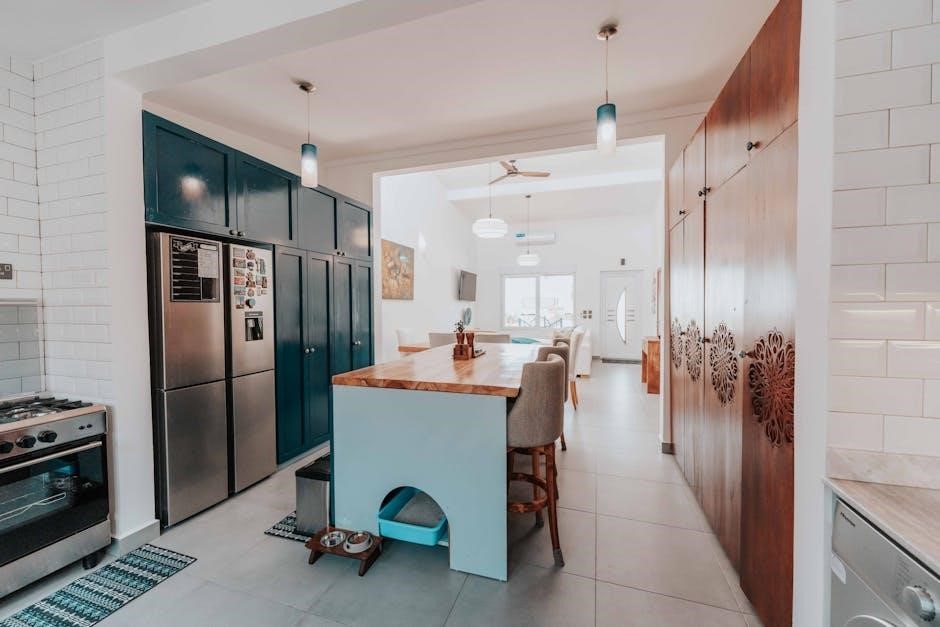
Adapting pre-existing kitchen island plans to your specific needs is a common practice. Modifying existing plans involves adjusting dimensions to fit your kitchen’s layout, altering storage configurations, or changing countertop materials. Ensure structural integrity isn’t compromised during alterations.
Designing a custom island from scratch offers ultimate flexibility but requires more expertise. Start with detailed sketches, considering workflow, seating, and appliance integration. Utilize kitchen design software to visualize the island in your space.
Remember to factor in building codes and permit requirements when customizing or creating plans.
Modifying Existing Plans
Adjusting pre-designed kitchen island plans offers a balance between convenience and personalization. Begin by carefully reviewing the PDF, noting dimensions and construction details. Scaling the island to fit your kitchen’s footprint is a frequent modification; ensure proportional adjustments are made to avoid instability.
Altering storage – swapping drawers for cabinets, or adding shelving – is relatively straightforward. Changing countertop materials requires verifying structural support. Always prioritize maintaining the island’s structural integrity when making changes.
Consider your skill level; complex modifications may necessitate professional assistance.
Designing a Custom Island from Scratch
Embarking on a fully custom kitchen island demands meticulous planning. Start with precise kitchen measurements and define the island’s primary function – cooking, dining, or storage. Sketching multiple layouts is crucial, considering traffic flow and workspace ergonomics.
Detailed PDF plans should include a comprehensive materials list, cut lists, and assembly instructions. Software tools can aid in visualization and precise dimensioning. Don’t overlook electrical and plumbing requirements if incorporating sinks or appliances.
Prioritize structural soundness and adherence to local building codes throughout the design process.
Kitchen Island Building Codes & Permits
Before commencing any kitchen island project, verifying local building codes is paramount. Permits are often required, especially when altering electrical or plumbing systems. PDF plans frequently need submission for approval, demonstrating compliance with safety regulations.
Codes dictate requirements for electrical outlet spacing, GFCI protection near water sources, and structural support. Island size and placement can also be regulated, impacting clearances around walkways and appliances. Ignoring these regulations can lead to costly rework and potential safety hazards.
Consulting with a local building inspector is highly recommended.
Tools & Materials Checklist
A comprehensive checklist is crucial for a smooth kitchen island build. Essential tools include a measuring tape, level, drill, screwdriver set, circular saw, and safety glasses. For finer work, a jigsaw and sander are beneficial. Material needs depend on your PDF plan.
Common materials encompass lumber (for framing and panels), plywood or MDF (for surfaces), chosen countertop material (granite, quartz, butcher block), fasteners (screws, nails), wood glue, and finishing supplies (paint, stain, sealant). Don’t forget electrical wiring, outlets, and plumbing components if applicable.
Review your plans thoroughly before purchasing!
Cost Breakdown for Kitchen Island Projects
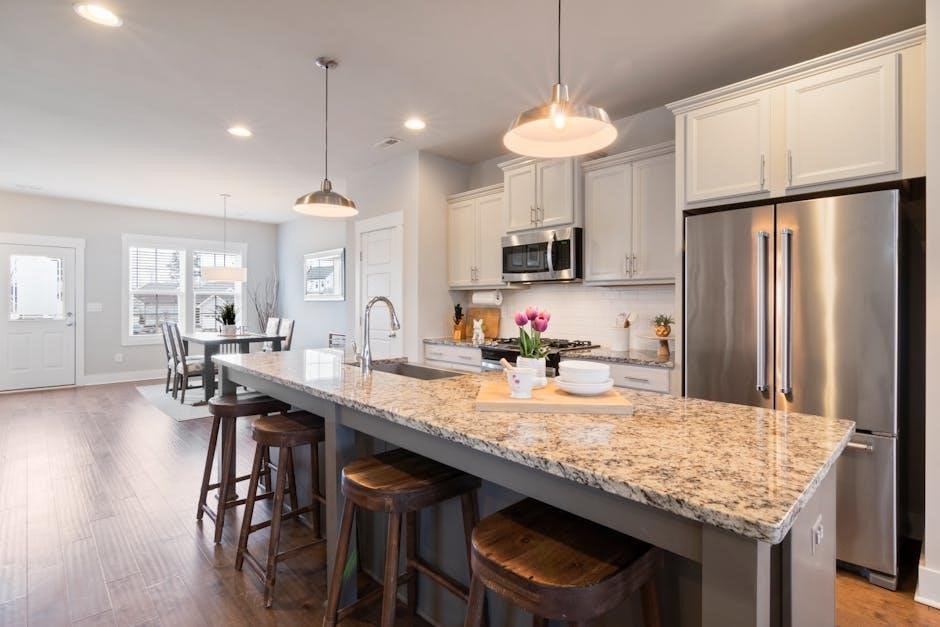
Estimating kitchen island costs requires detailing material and labor expenses. Lumber typically ranges from $300-$800, depending on wood type and quantity. Countertops significantly impact the budget: laminate ($200-$600), butcher block ($500-$1500), quartz ($1000-$4000+), and granite ($800-$3000+).
Hardware (hinges, pulls) adds $50-$200. Electrical work, if needed, can cost $100-$500, and plumbing $200-$800+. DIY saves labor costs (typically $500-$2000+ for professional installation).
Remember to factor in finishing materials (paint, stain) at $50-$150. A detailed PDF plan aids accurate budgeting;
Safety Precautions During Construction
Prioritize safety when building a kitchen island! Always wear safety glasses to protect against debris. Use work gloves to prevent splinters and cuts. Ensure adequate ventilation when sanding or applying finishes. Secure workpieces with clamps before cutting or drilling.
Be mindful of electrical wiring; disconnect power before any electrical work. If plumbing is involved, shut off the water supply. Follow manufacturer’s instructions for all tools and materials. A detailed PDF plan will highlight potential hazards.
Keep the work area clean and free of obstructions. Proper lifting techniques are crucial to avoid back strain.
Troubleshooting Common Kitchen Island Issues
Addressing issues during kitchen island construction is inevitable. Wobbly islands often stem from uneven flooring – use shims for leveling. Misaligned drawers or doors require hinge adjustments or re-squaring the cabinet box. Countertop seams may appear if the substrate isn’t perfectly flat; use appropriate adhesives.
Electrical problems necessitate a qualified electrician. Plumbing leaks require immediate attention. A detailed PDF plan can help diagnose issues. Check all measurements against the plan before cutting materials.
Remember to double-check connections and ensure all components are securely fastened.
Kitchen Island Lighting Options
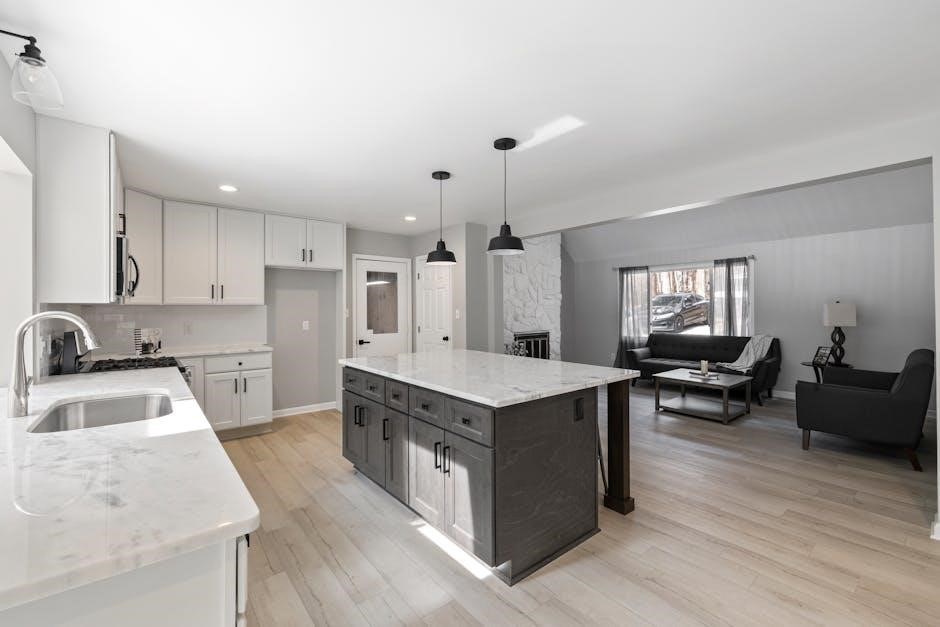
Selecting appropriate lighting enhances kitchen island functionality and aesthetics. Pendant lights, often featured in PDF plans, provide focused task lighting and visual appeal. Recessed lighting offers ambient illumination, while under-cabinet lighting brightens countertops.
Consider the island’s size and purpose when choosing fixtures. Larger islands benefit from multiple pendants or a linear chandelier. LED options are energy-efficient and long-lasting. Dimmer switches allow for adjustable brightness;
Refer to your kitchen island PDF plan for pre-approved wiring locations and fixture recommendations, ensuring safe and effective illumination.
Kitchen Island Ventilation & Range Hoods
Integrating a range hood into your kitchen island, as detailed in many PDF plans, requires careful planning. Downdraft ventilation systems are ideal for islands without overhead space, while traditional overhead hoods offer superior capture of smoke and odors.
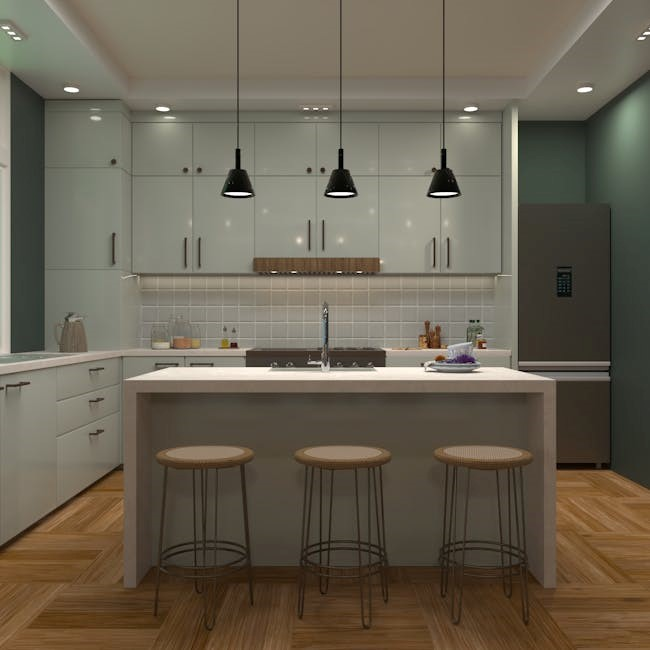
Consider the BTU rating based on your cooking style. Ductwork is crucial for effective ventilation; ensure your PDF plan specifies proper routing. Island hoods often serve as focal points, so choose a style complementing your kitchen’s design.
Review electrical requirements within your PDF plan to accommodate the range hood’s power needs and ensure safe installation.
Resources for Kitchen Island Design Software
Numerous software options aid in visualizing and refining your kitchen island PDF plans. SketchUp, a popular choice, offers a free version for basic design, while professional versions provide advanced features. Homestyler is another user-friendly option with pre-designed templates.
For more detailed renderings, consider Chief Architect or 2020 Design, though these typically require a subscription. Many PDF plan providers also offer compatible software or integrations. Online room planners can quickly generate layouts based on your dimensions.
Utilize these tools to experiment with different configurations before committing to construction, ensuring your island perfectly fits your space.