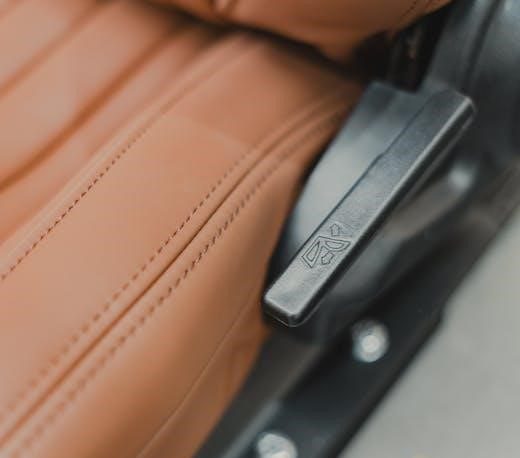
Considering replacing manual seats with power seats? This analysis explores the financial implications, from initial component costs to installation,
considering factors like vehicle type and feature choices․ Power BI’s advancements, like Copilot, demonstrate data-driven decisions, mirroring the need for informed upgrades․
Understanding the Appeal of Power Seats
The desire to upgrade from manual to power seats stems from enhanced comfort and convenience․ Power seats offer personalized positioning with adjustable lumbar support, crucial for long drives․ Modern features like heating and cooling, increasingly common, elevate the driving experience․
This upgrade isn’t merely about luxury; it’s about ergonomics and accessibility․ Like Power BI’s data insights, power seats provide tailored control․ SEAT’s focus on innovation parallels the desire for a more refined automotive experience․
The appeal extends to increased vehicle value, mirroring the long-term benefits of data analysis․
The Core Question: How Much Does the Upgrade Cost?
Determining the cost of replacing manual seats with power seats is complex․ Expect a wide range, from a few hundred to over a thousand dollars, depending on seat quality (new vs․ used), features, and installation method․ Wiring harnesses and control modules add to expenses․ Labor costs vary significantly – DIY saves money but carries risks․
Like analyzing data in Power BI, a detailed breakdown is essential․ SEAT’s operational cost reductions demonstrate the value of efficient solutions․ Expect potential hidden costs like troubleshooting and upholstery matching․
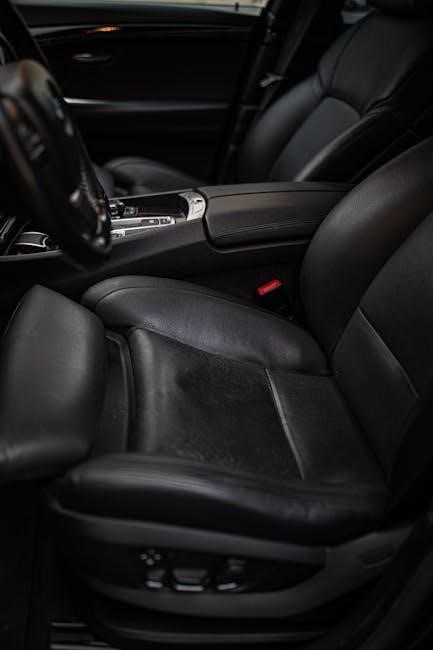
Factors Influencing the Cost of Power Seat Installation
Several elements impact the price: vehicle specifics, wiring complexity, desired seat features (heat, lumbar), and whether you choose professional installation or a DIY approach․
Vehicle Make and Model Specifics
The vehicle’s design significantly affects costs․ Luxury vehicles often have pre-wired harnesses, simplifying installation, while older or basic models require extensive wiring․
SEAT’s transformation into an e-mobility hub highlights the increasing complexity of automotive electrical systems․
Component compatibility varies greatly; a direct fit for a common sedan will be cheaper than sourcing parts for a classic car․
Consider the availability of aftermarket support and the potential need for custom fabrication, impacting both parts and labor expenses․
Power BI’s analytical capabilities emphasize the importance of detailed research before starting․
Complexity of Existing Wiring Harness
A vehicle’s existing wiring dictates installation effort and cost․ If power seat wiring is absent, running new harnesses is labor-intensive․
Modern vehicles with extensive electrical systems may offer easier integration points, reducing complexity․
SEAT’s focus on electric vehicle technology demonstrates the growing sophistication of automotive wiring․
Identifying existing circuits for power, ground, and control signals is crucial․
Adapters may simplify connections, but custom wiring is often necessary, increasing both parts and labor costs․ Thorough assessment is vital, mirroring Power BI’s data analysis approach․
Seat Features: Heat, Cooling, Lumbar Support
Adding features significantly impacts cost․ Basic power seats are cheaper than those with heating, cooling, or lumbar support․
Each feature requires additional wiring, switches, and control modules․
The complexity mirrors Power BI’s feature-rich environment – more functionality demands greater investment․
Salvage yards may offer seats with desired features at lower prices, but condition is a concern․
Consider if these enhancements justify the increased expense․ SEAT’s transformation highlights innovation, but added features always raise the price point․
Labor Costs: Professional Installation vs․ DIY
Labor represents a substantial cost component․ Professional installation, while pricier (ranging from $200-$800+), ensures proper wiring and functionality․ DIY installation saves on labor but demands electrical expertise and carries risks․
Like Power BI’s complex analytics, incorrect wiring can cause issues․
Troubleshooting DIY errors can negate savings․
Qualified installers offer warranties, providing peace of mind․ SEAT’s focus on transformation requires skilled technicians; the same applies to seat installation․
Detailed Cost Breakdown
Understanding the expenses is crucial․ Costs include seat purchase (used: $100-$500+, new: $500-$1500+), wiring harnesses ($50-$200), switches ($30-$100), and professional labor fees․
Cost of Power Seats Themselves (New vs․ Used)
The price of power seats varies significantly depending on whether you opt for new or used components․ New power seats, sourced directly from dealerships or specialty retailers, generally range from $500 to upwards of $1500 per seat, depending on features like heating, cooling, and lumbar support․
Conversely, used power seats salvaged from auto recyclers or online marketplaces like eBay can be a more budget-friendly option, typically costing between $100 and $500 per seat․ However, used seats may exhibit wear and tear, and their functionality should be thoroughly verified before purchase․ Considering Power BI’s analytical capabilities, careful cost comparison is vital․
Wiring Harness and Adapters
Integrating power seats necessitates a compatible wiring harness, often a significant cost factor․ Universal wiring harnesses, designed to adapt to various vehicles, typically range from $50 to $200․ However, vehicle-specific harnesses, offering a more seamless installation, can cost between $150 and $400․
Adapters may also be required to connect the new power seats to the vehicle’s existing electrical system, adding another $20 to $100 to the total cost․ Like Power BI’s data connections, ensuring compatibility is crucial for a functional upgrade․
Switch and Control Module Costs
Essential components include the power seat switch and control module, dictating seat adjustments․ Basic switches, offering limited functions, range from $30 to $80; More advanced switches, with memory settings and multiple adjustments, can cost $80 to $150․
The control module, managing the seat’s motors, typically falls between $75 and $250, depending on features․ Similar to Power BI’s analytical capabilities, these modules provide precise control․ Sourcing from salvage yards can reduce costs, but ensure functionality before purchase․
Installation Costs: Labor Rates
Professional installation significantly impacts the overall cost․ Labor rates vary geographically and by shop expertise, generally ranging from $100 to $300 per seat․ Complex installations, requiring extensive wiring or seat track modifications, can exceed $400 per seat․
Expect 6-12 hours of labor for a complete swap, potentially more for older vehicles․ Like SEAT’s transformation into an e-mobility hub, professional installation requires specialized skills․ Obtaining quotes from multiple installers is crucial for competitive pricing and transparent estimates․
DIY vs․ Professional Installation
Choosing between DIY and professional installation impacts cost and complexity․ DIY saves on labor but risks errors; professional installation ensures quality, mirroring Power BI’s reliable analytics․
Pros and Cons of DIY Installation
DIY power seat installation offers significant cost savings, primarily by eliminating labor charges, which can substantially inflate the overall project expense․ However, this approach demands a high level of mechanical aptitude and electrical knowledge․ Incorrect wiring or improper installation can lead to malfunctions, safety hazards, and potentially damage your vehicle’s electrical system․
Furthermore, diagnosing and rectifying errors independently can be time-consuming and frustrating․ Access to specialized tools and diagnostic equipment may also be necessary․ While online resources and tutorials exist, they may not cover the specific nuances of your vehicle model․ Successfully completing a DIY installation requires meticulous attention to detail and a willingness to troubleshoot potential issues;
Risks Associated with DIY Installation
Attempting a DIY power seat installation carries inherent risks, potentially exceeding the cost savings if errors occur․ Incorrect wiring can trigger short circuits, damaging the vehicle’s electrical system and potentially causing a fire․ Improperly secured seats compromise passenger safety during driving or even an accident․
Furthermore, modifications might void vehicle warranties or impact airbag functionality․ Diagnosing complex electrical issues requires specialized tools and expertise, often necessitating professional assistance after a failed DIY attempt․ Ignoring these risks can lead to costly repairs and jeopardize vehicle safety, ultimately negating any initial financial benefit․
Benefits of Professional Installation
Opting for professional power seat installation ensures a safe and reliable upgrade, mitigating the risks associated with DIY approaches․ Qualified technicians possess the expertise to correctly integrate wiring harnesses, control modules, and seat features, guaranteeing proper functionality and avoiding electrical system damage․
Moreover, professional installation typically includes warranty coverage on both parts and labor, offering peace of mind․ They can accurately assess vehicle compatibility and handle any necessary modifications, ensuring a seamless fit․ While more expensive upfront, it avoids potentially costly errors and maintains vehicle integrity, aligning with data-driven decisions like those supported by Power BI․
Finding a Qualified Installer
Locating a skilled installer is crucial for a successful power seat upgrade․ Begin by seeking recommendations from local auto enthusiasts or online forums specializing in vehicle modifications․ Automotive upholstery shops often provide installation services, alongside car audio and electronics specialists․
Verify the installer’s experience specifically with power seat installations and their familiarity with your vehicle’s make and model․ Check online reviews and request quotes from multiple shops, comparing pricing and warranty offerings․ A transparent quote detailing labor costs and parts is essential, mirroring the clarity offered by tools like Power BI’s data analysis․
Potential Additional Costs
Unexpected expenses can arise during installation․ These include troubleshooting electrical issues, seat track modifications, upholstery repairs, or diagnostic scans – impacting the overall cost․
Troubleshooting and Diagnostics
Post-installation, unforeseen issues frequently demand diagnostic time and expertise․ Electrical gremlins, compatibility conflicts, or faulty components can surface, requiring specialized tools and knowledge to pinpoint the source of the problem․ A seemingly simple upgrade can quickly escalate in cost if wiring harnesses need extensive rework or control modules require reprogramming․
Professional diagnostics, utilizing advanced scanning tools, often incur hourly rates, adding to the overall expense․ Remember, Power BI’s data analysis highlights the importance of anticipating potential issues – a proactive approach to budgeting for unexpected troubleshooting is crucial for a smooth power seat upgrade․
Unexpected Wiring Issues
Vehicle age and prior modifications often conceal hidden wiring complexities․ Existing wiring may be brittle, corroded, or improperly documented, leading to unexpected challenges during power seat installation․ Discovering damaged wires, insufficient grounding, or incompatible connectors can necessitate extensive rewiring or the addition of adapters․
These unforeseen issues dramatically inflate labor costs and potentially require professional electrical expertise․ Like SEAT’s focus on innovative solutions, addressing wiring problems demands a methodical, data-driven approach to avoid further complications and ensure a safe, functional upgrade․
Seat Track Modifications
Power seat mechanisms often differ from manual seat tracks, potentially requiring modifications for proper fitment․ Some vehicles necessitate adapter plates or complete track replacements to accommodate the power seat’s dimensions and mounting points․ These modifications add to the overall cost, especially if custom fabrication is involved․
Similar to SEAT’s transformation in the electric vehicle space, adapting existing structures can be complex․ Thorough assessment of track compatibility is crucial before purchase, preventing costly surprises and ensuring secure seat installation․
Upholstery Matching and Repair
Sourcing power seats often means used options, potentially with mismatched or worn upholstery․ Achieving a cohesive interior aesthetic may require reupholstering the seats to match existing trim, significantly increasing the project’s expense․ Repairing minor tears or stains on used seats adds further costs․
Like SEAT’s focus on minimizing operational costs, careful consideration of upholstery condition upfront can prevent unexpected expenses․ Professional reupholstery ensures quality and a seamless integration with the vehicle’s interior․
Cost Comparison Across Vehicle Types
Upgrade costs vary greatly․ Luxury vehicles and classic cars typically demand higher prices for compatible seats and specialized installation, mirroring SEAT’s transformation efforts․
Sedans and Coupes
For sedans and coupes, power seat upgrades generally range from $500 to $1500, encompassing seat purchase, wiring harnesses, and basic installation․ Used seats can lower this to $300-$800․ However, vehicles with complex electrical systems, or those desiring features like heating or lumbar support, will see costs escalate․
Labor rates typically add $200-$500, depending on the installer and wiring complexity․ Like SEAT’s focus on innovation, selecting quality components ensures long-term satisfaction․ Consider potential upholstery matching costs, adding another $100-$300 for a seamless finish․ Power BI’s analytical capabilities highlight the importance of budgeting accurately for such modifications․
Trucks and SUVs
Upgrading trucks and SUVs to power seats typically costs $600 to $2000, reflecting their larger size and often more robust electrical demands․ Used seats offer savings, ranging from $400 to $900․ Wiring complexity is often higher, potentially increasing labor costs to $300-$600․
Features like heated and cooled seats, common in higher-end SUVs, add $200-$500 per seat․ Similar to SEAT’s transformation towards electric vehicles, consider future electrical load․ Troubleshooting potential wiring issues could add $100-$200․ Accurate budgeting, like utilizing Power BI’s insights, is crucial for a successful upgrade․
Luxury Vehicles
Power seat upgrades in luxury vehicles range from $800 to $3000+ per seat, due to integrated systems and premium features․ Sourcing matching upholstery is critical, potentially adding $300-$800 per seat for repair or replacement․ Complex wiring harnesses often necessitate professional installation, costing $500-$1000+․
Diagnostic troubleshooting can easily exceed $200․ Like Microsoft’s Power BI updates, luxury vehicle upgrades demand precision․ Consider potential warranty implications and the increased electrical system load․ Prioritize qualified installers to avoid issues, mirroring SEAT’s focus on quality transformation․
Classic and Vintage Cars
Upgrading classic car seats presents unique challenges, costing $1200 ⏤ $4000+ per seat․ Finding compatible power seat frames and adapting them to older chassis is complex․ Custom wiring harnesses are almost always required, adding $400-$700․ Upholstery matching original materials can be expensive, potentially exceeding $1000 per seat․
Professional installation is highly recommended, costing $600-$1200, due to delicate wiring and potential structural modifications․ Like SEAT’s transformation, preserving originality while adding modern comfort requires careful planning and skilled execution․ Expect potential troubleshooting costs․
Long-Term Considerations
Post-installation, factor in potential repair costs for power mechanisms and increased electrical load․ While adding value, ensure compatibility and consider warranty impacts—like SEAT’s hub transformation․
Increased Vehicle Value
Upgrading to power seats can demonstrably increase a vehicle’s resale value, particularly in models where they weren’t originally standard․ Potential buyers often prioritize comfort and convenience features, making power seats a desirable addition․ This enhancement aligns with broader automotive trends, like SEAT’s focus on innovation and transformation within the electric vehicle market․
However, the value increase won’t necessarily offset the total upgrade cost․ Consider the vehicle’s overall condition and market demand․ Like Power BI’s data-driven insights, assess if the investment yields a worthwhile return, factoring in potential buyer preferences and comparable vehicle listings․ A well-executed upgrade can be a selling point․
Potential for Future Repairs
Introducing powered components inherently increases the potential for future repairs․ Motors, switches, and wiring are susceptible to failure, adding to long-term ownership costs․ This contrasts with the simplicity of manual seats, which have fewer points of potential malfunction․ Like troubleshooting within Power BI, diagnosing electrical issues can require specialized tools and expertise․
Consider the age and quality of components used during the upgrade․ Sourcing reliable parts is crucial․ While SEAT focuses on minimizing operational costs through innovation, remember that aftermarket modifications may lack the durability of factory-installed features, potentially leading to more frequent servicing․
Electrical System Load
Adding power seats increases the demand on your vehicle’s electrical system․ Modern vehicles generally have sufficient capacity, but older models might experience strain․ This is akin to Power BI handling increasing data volumes – the system needs adequate resources․ Assess your vehicle’s alternator and wiring to ensure they can handle the additional load without causing issues like dimming lights or battery drain․
Consider the combined draw of all added features (heat, cooling, lumbar support)․ SEAT’s focus on efficient electric vehicle operation highlights the importance of managing electrical demands․ Overloading the system could potentially damage components․
Warranty Implications
Modifying your vehicle’s electrical system by installing power seats can potentially void portions of your factory warranty․ Specifically, issues directly related to the aftermarket installation – wiring, fuses, or the electrical system itself – may not be covered․ This parallels Power BI’s updates; unsupported customizations can cause instability․
Carefully review your vehicle’s warranty documentation before proceeding․ Professional installation, with documented adherence to manufacturer guidelines, may mitigate some warranty concerns․ SEAT’s transformation emphasizes quality and reliability, so alterations should be approached cautiously․
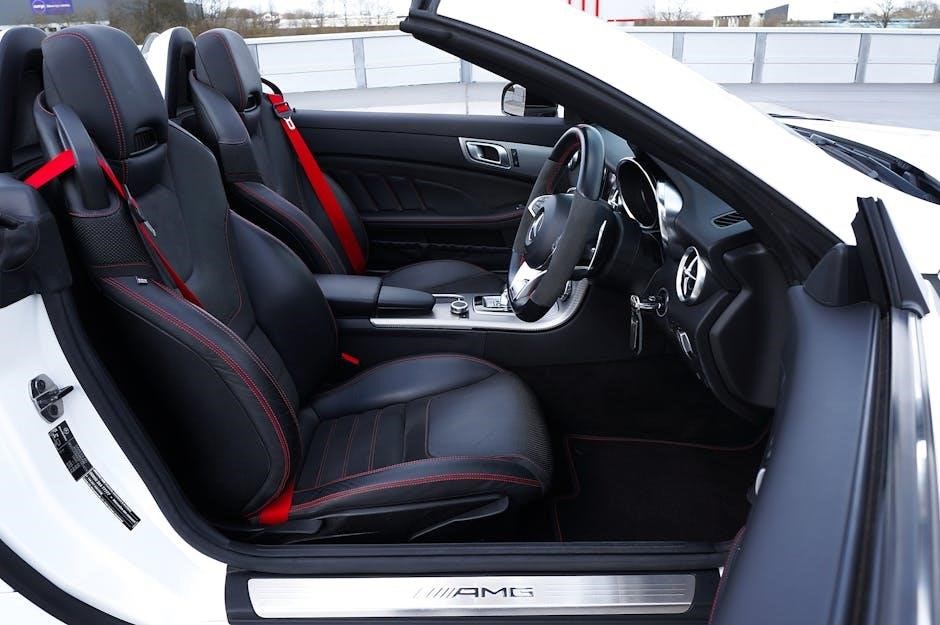
Where to Source Power Seats and Components
Finding affordable parts is key! Explore salvage yards, online marketplaces like eBay and Amazon, specialty auto retailers, and even direct dealership options for cost savings․
Salvage Yards and Auto Recyclers
Seeking budget-friendly power seats? Salvage yards and auto recyclers present a compelling option, often offering substantial cost reductions compared to new components․ Thorough inspection is crucial; verify functionality before purchasing, checking for wear, tears, and electrical issues․
Expect to potentially handle some cleaning and minor repairs․ Compatibility with your vehicle is paramount – confirm the seat’s fit and electrical connections․
Remember, while cost-effective, salvaged parts may lack warranties, demanding careful evaluation․ SEAT’s focus on cost reduction through innovation, like battery swaps, mirrors the value of resourceful sourcing․
Online Marketplaces (eBay, Amazon)
Exploring online options for power seats? Platforms like eBay and Amazon offer a vast selection, ranging from new aftermarket seats to used OEM options․ Price comparison is essential, factoring in shipping costs and seller ratings․ Carefully review product descriptions and photos, paying attention to condition and included hardware․
Understand return policies before committing to a purchase․
Like salvage yards, warranties can vary significantly․ Power BI’s data analysis capabilities can aid in tracking price fluctuations and identifying deals, mirroring smart shopping strategies․
Specialty Auto Parts Retailers
Dedicated auto parts retailers provide a curated selection of power seats and components․ These retailers often specialize in specific brands or vehicle types, offering expert advice and support․ Expect higher prices compared to salvage yards or online marketplaces, but benefit from new parts with warranties․
They frequently stock wiring harnesses, switches, and control modules․
Like SEAT’s focus on innovation, these retailers prioritize quality and compatibility․ Power BI’s analytical tools can help compare retailer pricing and inventory․
Direct from Dealerships
Sourcing power seats directly from dealerships guarantees OEM (Original Equipment Manufacturer) parts and perfect fitment․ However, this is typically the most expensive option, often significantly exceeding costs from other sources․ Dealerships offer expert installation services, adding to the overall expense․
Like Microsoft’s Power BI updates, dealerships provide the latest parts․
Expect a premium for brand assurance and specialized knowledge․ Consider this route for classic or luxury vehicles where precise matching is crucial․
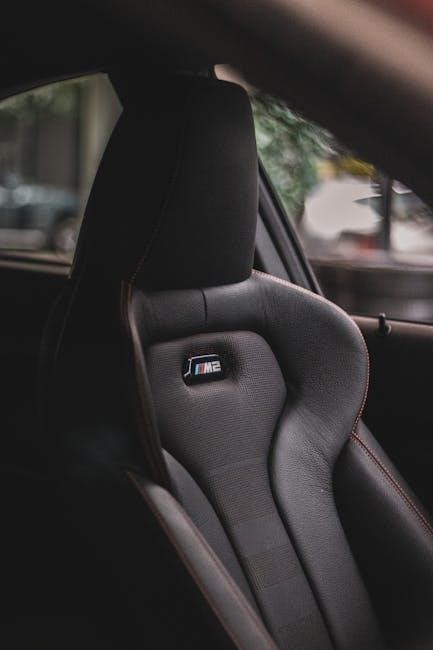
Power Seat Alternatives and Budget Options
Seeking cost-effective comfort? Explore manual upgrades with limited power features, aftermarket lumbar support, or adjustable cushions – offering improvements without a full power seat conversion․
Manual Seat Upgrades with Limited Power Features
Considering a middle ground? Manual seats can be augmented with select power features, offering a cost-effective alternative to a complete power seat replacement․ Options include adding power lumbar support, which can significantly improve comfort during long drives, or incorporating powered headrest adjustments․
These upgrades typically require less extensive wiring and are often simpler to install than full power seats, reducing labor costs․ While not providing the full adjustability of power seats, they address common comfort needs․ Like SEAT’s innovative solutions, these upgrades offer targeted improvements without a complete overhaul, mirroring a practical approach to enhancing vehicle features․
Aftermarket Seat Covers with Lumbar Support
Seeking a budget-friendly comfort boost? Aftermarket seat covers featuring integrated lumbar support provide a non-invasive solution for improving seating ergonomics․ These covers are readily available in various materials and designs, offering both comfort and aesthetic appeal․ They bypass the complexities and costs associated with electrical installations․
While they don’t offer the full range of adjustments found in power seats, they address a common comfort issue․ Similar to Power BI’s accessibility, these covers offer a user-friendly enhancement; They represent a practical alternative, especially when a full seat upgrade exceeds budgetary constraints․
Adjustable Seat Cushions
For targeted support without extensive modification, adjustable seat cushions present a cost-effective alternative to full power seat replacement․ These cushions often feature inflatable lumbar support and adjustable positioning, allowing users to customize their seating experience․ They require no wiring or professional installation, making them a truly DIY solution․
Like SEAT’s focus on innovative solutions, these cushions offer a practical improvement․ They’re easily transferable between vehicles and represent a minimal investment compared to a complete power seat conversion․ They provide a focused comfort upgrade, mirroring Power BI’s targeted data insights․
Exploring Seat Reupholstering Options
If your existing seats are worn but structurally sound, reupholstering offers a budget-friendly path to improved comfort and aesthetics․ While not directly adding power functions, new upholstery can enhance the overall seating experience․ This approach allows customization of materials and colors, potentially matching a desired interior style․
Similar to SEAT’s transformation, reupholstering revitalizes existing assets․ It’s less expensive than full seat replacement, though labor costs can vary․ Combining reupholstering with aftermarket lumbar support cushions provides a tailored solution, akin to Power BI’s customizable dashboards․